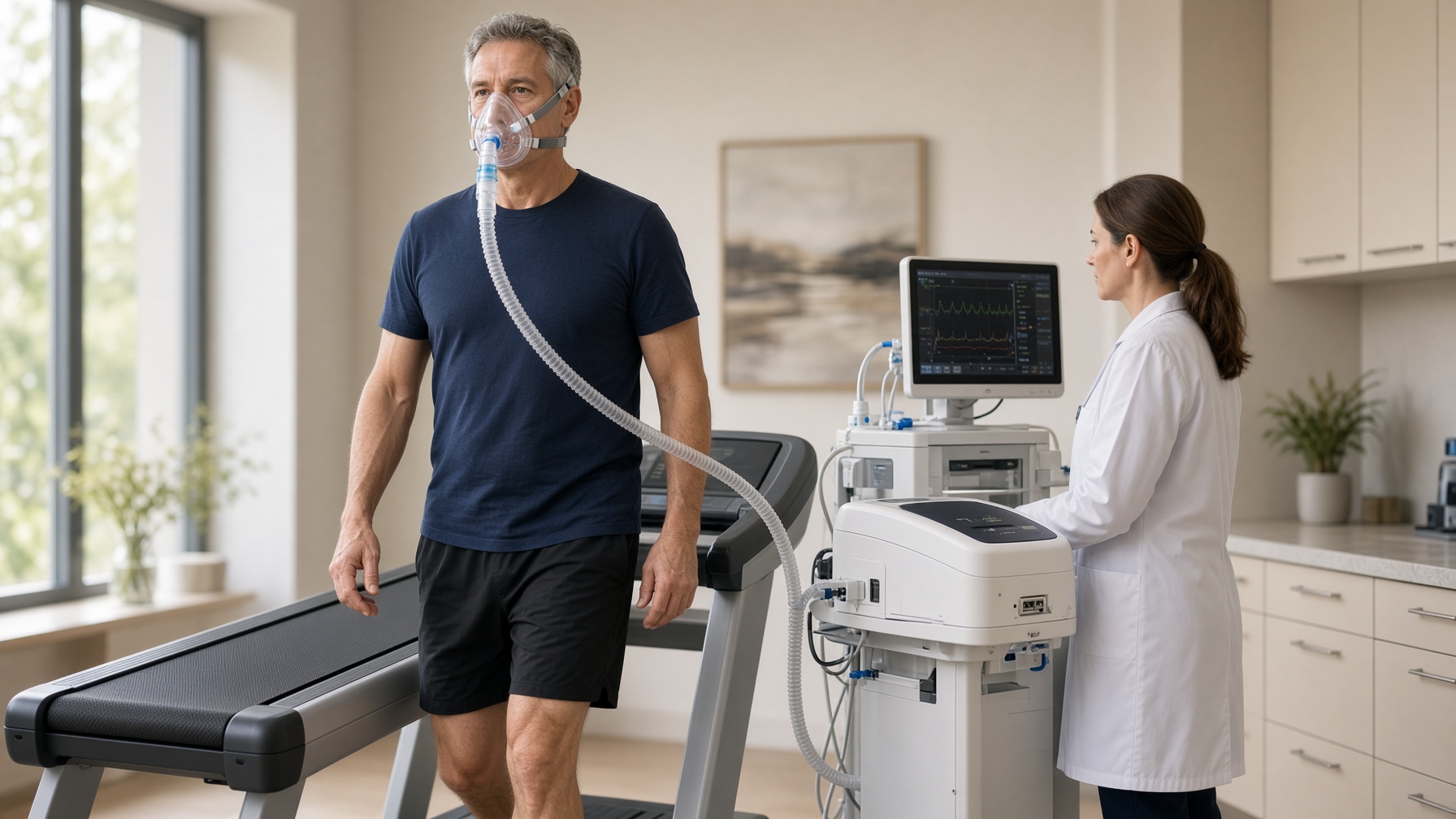
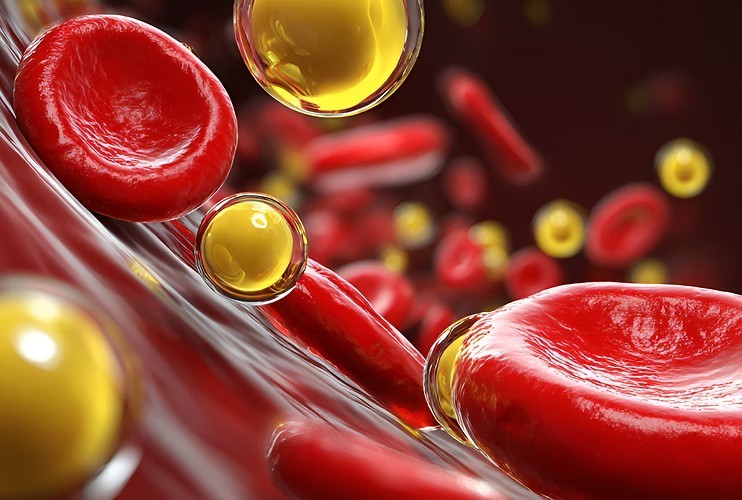
Two people with the same LDL-C can have very different numbers of atherogenic particles, a hidden lipoprotein(a) problem, or ongoing vascular inflammation. Helix Advanced Medicine runs a lipid clinic built around apoB, lipoprotein(a), and anti-inflammatory markers, then uses current medicines—not a statin-only default—to lower risk. The goal is fewer heart attacks, strokes, and procedures over time.
What we measure
- Apolipoprotein B (apoB) — counts atherogenic particles and is increasingly treated as a better marker of residual risk than LDL-C alone when the two disagree
- Lipoprotein(a) — a genetically determined, highly atherogenic particle. 2026 dyslipidemia guidance supports once-in-a-lifetime Lp(a) screening in adults
- Standard lipids still required: LDL-C, HDL-C, triglycerides, non-HDL-C, and remnant cholesterol
- Anti-inflammatory markers such as high-sensitivity CRP when they change a decision
Up-to-date medicines we use
- High-intensity or maximally tolerated statins when indicated, with ezetimibe as add-on
- Bempedoic acid — oral option with outcome data, useful in statin-intolerant patients
- PCSK9 monoclonal antibodies (evolocumab, alirocumab)
- Inclisiran — twice-yearly siRNA PCSK9 therapy given in clinic
- Oral PCSK9 therapy (enlicitide) when clinically and practically appropriate
- Icosapent ethyl in selected patients with elevated triglycerides and established disease
- Evidence-based anti-inflammatory cardiovascular therapy such as low-dose colchicine when appropriate
Who this clinic is for
- Family history of early heart attack or stroke
- Known coronary, carotid, or peripheral artery disease
- High LDL-C, high triglycerides, or “normal LDL” with high apoB
- Statin intolerance or failure to reach target
- A first-time or never-checked Lp(a)
- Premature calcified plaque or a calcium score that does not match a reassuring basic panel
Helix Advanced Medicine is a clinic where we strive to stay in the forefront of a rapidly changing field of lipid lowering modalities to reduce your heart attack, stroke, and peripheral vascular risk. We take your health and risk/benefit status seriously and make joint decisions on your treatment.
How a Helix lipid-clinic plan works
- 01Consultation — history, family history, prior events, current medicines, statin experience
- 02Advanced panel — lipids, apoB, Lp(a) (if never done), hs-CRP or other inflammatory markers as indicated, plus metabolic labs
- 03Risk staging — optional imaging (for example coronary calcium) when it changes intensity of treatment
- 04Therapy — diet pattern, activity, and medicines chosen to hit apoB/LDL-C and triglyceride targets
- 05Follow-up labs — confirm response; escalate if particle numbers stay high
What this clinic is not
- Not a “natural cholesterol cleanse”
- Not a promise that every plaque will regress
- Not a substitute for blood-pressure, diabetes, smoking, and weight care
- Not a place we start four injectables on a first mildly abnormal LDL without context